
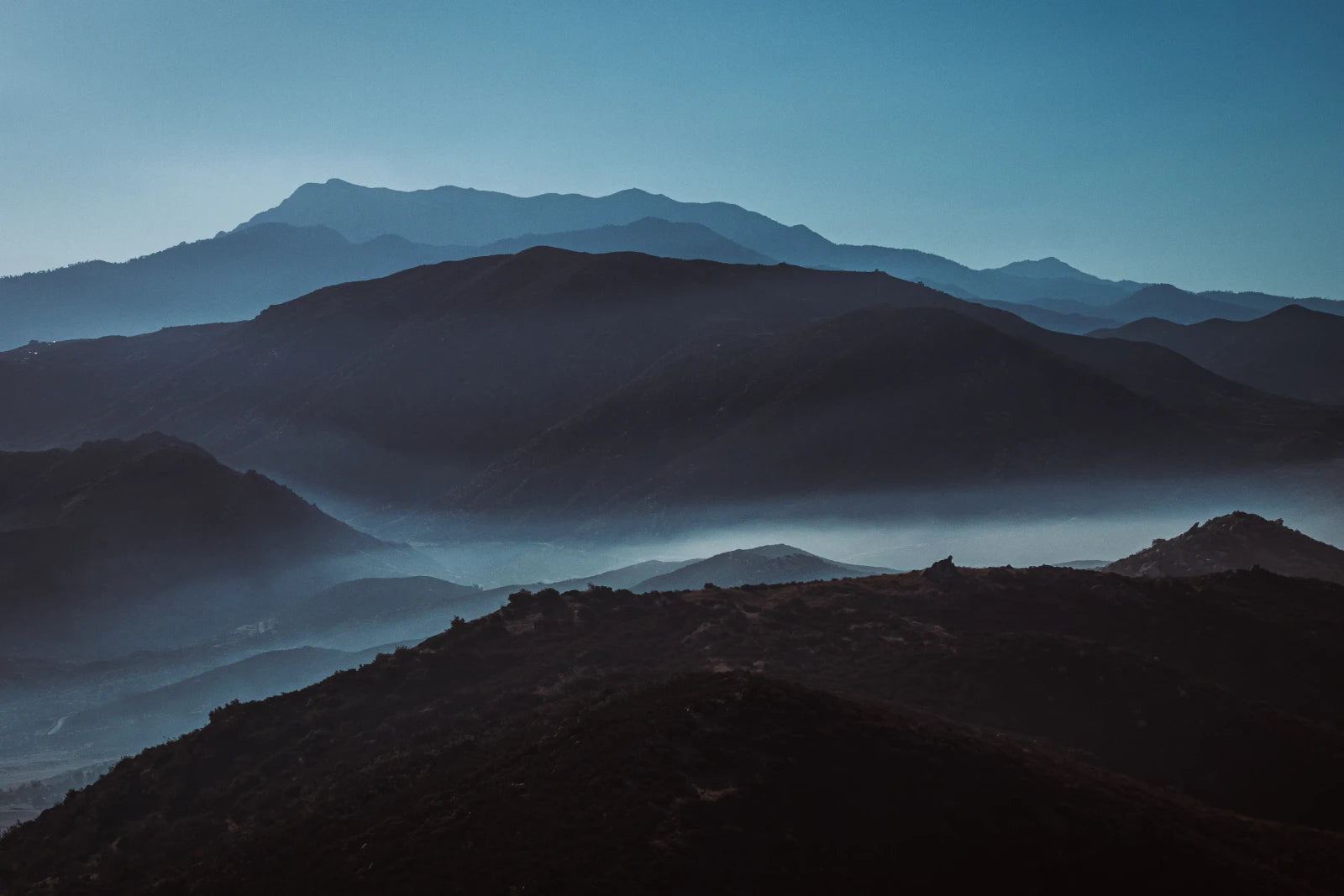
A fully furnished office can still feel unresolved. High-end photography is what completes a space by introducing authorship, permanence, and authority.
The illusion of completion
A workspace can be finished without ever being resolved.
The desk is in place. Seating is considered. Lighting is correct. Materials are deliberate. On paper, the environment is complete. Yet something remains unsettled.
This is where most founder spaces stop. Function has been solved, but expression has not.
A resolved space does not simply operate well. It communicates judgement. It holds a position.
Without that, it remains an arrangement of decisions rather than a statement of them.
Furniture solves function, not identity
Furniture answers practical questions.
Where do you sit. How do you work. How does the space flow. These are necessary decisions, but they are not expressive ones.
Even at the highest level, furniture communicates investment, not discernment.
A well-specified chair or desk signals that a founder understands quality. It does not signal how they think, what they value, or how they see the world.
Identity in a space comes from what cannot be reduced to utility.
That is where most environments fall short.
What most founder spaces get wrong
There are two common outcomes once the functional layer is complete.
The first is avoidance. Walls remain empty. The space feels intentionally sparse but carries no conviction behind that restraint.
The second is substitution. Generic prints, decorative artwork, or mass-produced imagery are introduced to fill the absence.
Both approaches weaken the environment.
Empty walls suggest indecision. Generic art suggests borrowed taste.
In both cases, the space fails to communicate authorship.
Featured this season
From £49.99Printed to order, framed by hand in the UK, delivered free.Choose size and framePhotography as authorship
Serious photography is not decoration. It is a recorded point of view.
A photograph carries authorship in a way that most objects in a workspace do not. It has a maker, a moment, and an intention behind it. It represents a decision about what is worth capturing and how it should be seen.
This is what changes the role of the work on the wall.
It is no longer filling space. It is introducing perspective.
For a founder, this matters. The environment begins to reflect not just what has been acquired, but what has been recognised.
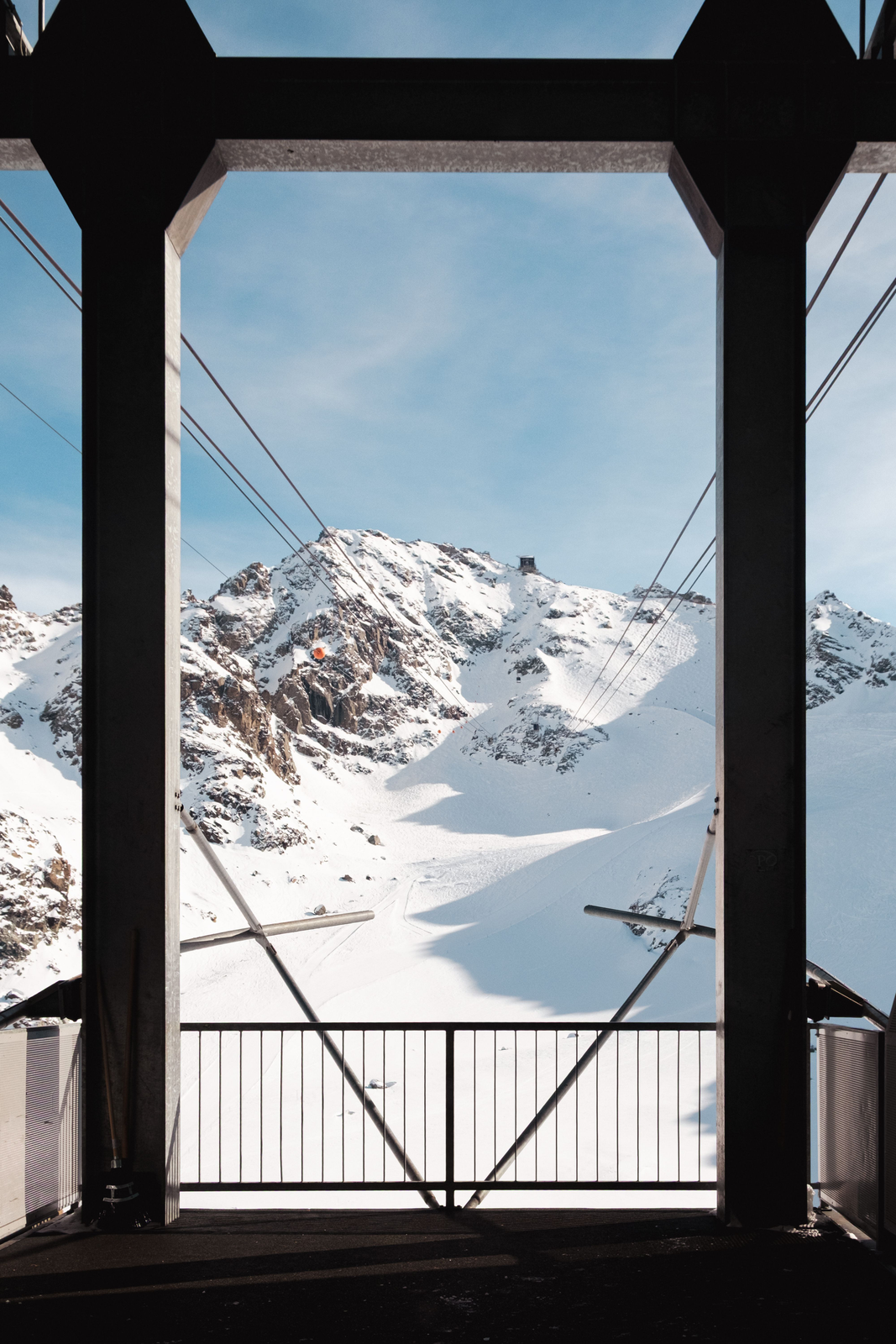
The dark beams in The Mountain Door give the open view a firm boundary. A useful composition to try beside the straight lines of a desk or shelving.
From decoration to position
When photography is selected with intent, it becomes a signal.
Not of taste in the superficial sense, but of judgement.
Clients, partners, and teams do not consciously analyse the work on a wall. They read it instinctively. They register whether the environment feels considered or assembled.
A generic print blends into the background. It adds noise without meaning.
A considered photographic work does the opposite. It anchors the room. It suggests that decisions are made with care, and that standards are applied consistently.
This is not about impressing. It is about coherence.
Permanence and material presence
The difference between a poster and a photographic print is not subtle.
It is material.
Archival photographic prints carry weight. The paper holds depth. The surface controls light rather than reflecting it aggressively. The image feels embedded, not applied.
This permanence matters because it reflects how a founder approaches decisions.
Temporary objects suggest provisional thinking. Disposable materials suggest a lack of commitment.
An archival print suggests the opposite. It implies that what is chosen is expected to last.

This is as much about mindset as it is about material.
The silent signal
Every workspace communicates, whether intended or not.
Before a word is spoken, the environment establishes a baseline perception.
- Is this a place of clarity or compromise
- Are decisions made quickly or considered carefully
- Is this a business that refines, or one that accumulates
Photography plays a disproportionate role in this because it sits outside function. It exists purely as a reflection of judgement.
That makes it highly legible.
People may not articulate what they are seeing, but they respond to it.

A study does not have to be solemn. Jordan Cahill’s No Bad Coffee puts a little dry humour into the working day.
Why it comes last
Photography is rarely the first decision in a space. It should not be.
Until the fundamentals are resolved, it has nothing to attach itself to. Without clarity in layout, material, and function, any artwork becomes arbitrary.
This is why it is the final layer.
Only once the space is stable does the question become precise. Not what should go here, but what deserves to be here.
At that point, the decision carries weight.
It is no longer about filling a wall. It is about completing an environment.
Final takeaway
A professional space is not defined by how much has been added to it.
It is defined by what has been chosen, and why.
Furniture establishes capability. Photography establishes judgement.
Without that final layer, a workspace may look complete, but it will not feel resolved.
The difference is subtle, but it is decisive.
A founder’s environment does not need more objects. It needs clarity of position.
That is what high-end photography provides.
A photograph for the study
Compare works for a desk wall or reading room, with different subjects, sizes and framing options.
See study photographsQuestions and answers.
Filed 10 April 2026, under Living with art.


